

Key Takeaways

- Market Research is Essential: Understand the demand and competition in your area to tailor your services effectively for potential clients in the hot shot trucking industry.
- Create a Comprehensive Business Plan: Outline your goals, funding sources, target demographics, and marketing strategies to serve as a roadmap for your trucking venture.
- Choose the Right Equipment: Selecting reliable vehicles and trailers is crucial for handling loads efficiently and meeting service expectations.
- Navigate Legal Requirements: Register your business, obtain necessary permits and licenses, and ensure compliance with local, state, and federal regulations.
- Build Strong Relationships: Networking with clients and industry professionals can foster business growth through referrals and long-term contracts.
- Implement Effective Marketing Strategies: Develop a strong online presence and leverage social media to enhance visibility and attract potential customers in the hot shot trucking market.
Are you ready to dive into the fast-paced world of hot shot trucking? This booming industry offers a unique opportunity for those looking to start a business with minimal overhead and the potential for high earnings. With the demand for expedited freight on the rise, now’s the perfect time to seize the moment and turn your passion for driving into a profitable venture.
Starting a hot shot business can seem daunting, but with the right guidance, you’ll navigate the process smoothly. From choosing the right equipment to understanding regulations, each step is crucial for your success. Whether you’re a seasoned trucker or just starting out, this guide will equip you with the essential knowledge to hit the ground running and make your mark in the hot shot trucking industry.
How To Start A Hot Shot Business
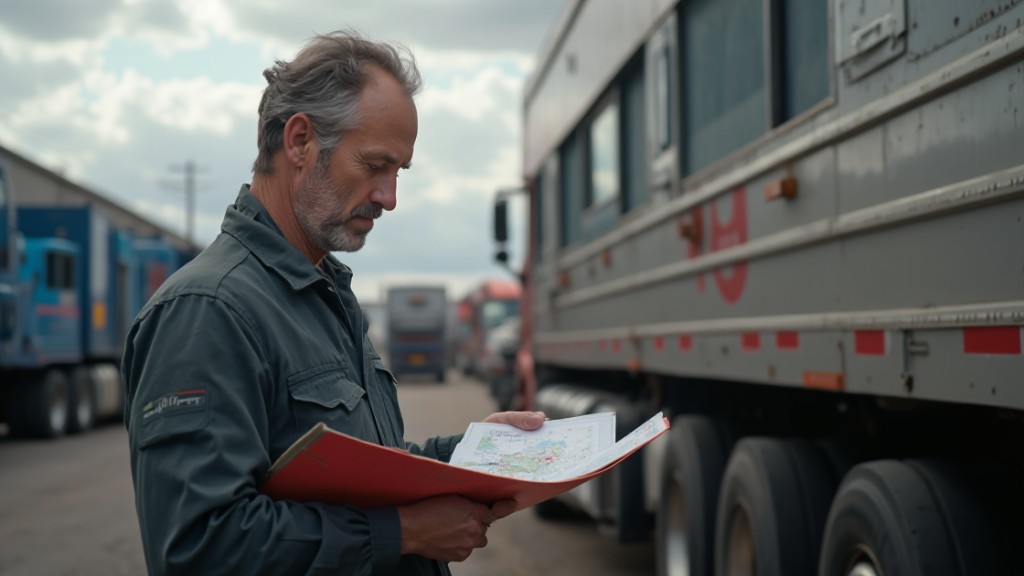
Starting a hot shot business requires specific steps to navigate successfully. Follow these actionable steps to establish your own small business in the hot shot trucking industry.
- Research the Market. Analyze existing hot shot businesses in your area. Identify customers’ needs and industry gaps to tailor your services accordingly.
- Create a Business Plan. Outline business goals, funding sources, target customers, and marketing strategies. A solid business plan serves as a roadmap for future growth.
- Choose Your Equipment. Select the right vehicle and trailer for your hot shot business. Consider factors like payload, fuel efficiency, and reliability. Common choices include a one-ton pickup truck and flatbed trailer.
- Register Your Business. Obtain necessary permits and licenses to operate legally. Register your business name and structure with local and state authorities.
- Understand Regulations. Familiarize yourself with local, state, and federal regulations related to hot shot trucking. Maintain compliance with hours of service, insurance requirements, and safety standards.
- Secure Insurance. Obtain appropriate insurance coverage to protect your business and vehicles. Liability insurance, cargo insurance, and physical damage insurance are essential.
- Develop a Marketing Strategy. Promote your services through online marketing, social media, and local networking. Create a website to showcase your business and attract potential clients.
- Build Relationships. Network with potential clients, freight brokers, and other industry professionals. Relationships often lead to repeat business and referrals.
- Establish Pricing. Determine competitive pricing for your services. Calculate expenses and desired profit margins to set fair rates.
- Utilize Technology. Implement logistics software to streamline operations. Use GPS tracking and communication tools to enhance efficiency and responsiveness.
By following these steps, launching a successful hot shot business becomes a systematic, achievable process that maximizes your potential for success in the expedited freight industry.
Understanding Hot Shot Trucking
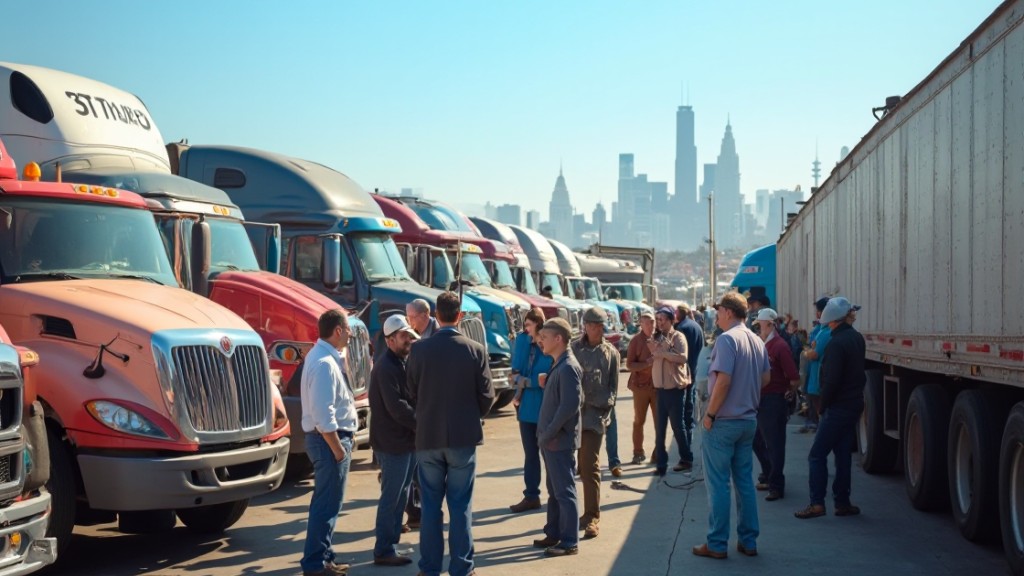
Hot shot trucking represents a dynamic segment of the freight industry. This business model focuses on moving smaller quantities of cargo with urgency and efficiency.
What Is Hot Shot Trucking?
Hot shot trucking involves transporting freight loads typically less than a full truckload using a medium-duty pickup truck paired with a flatbed trailer. This approach prioritizes speed, catering to time-sensitive shipments and smaller loads.
Advantages Of Hot Shot Trucking
- Cost Savings: Hot shot trucking offers significant reductions in shipping costs by serving as an alternative to booking a full semi-trailer. It expands available trucking solutions, enhancing negotiation opportunities for shippers.
- Greater Visibility: Dedicated trucks, trailers, and drivers for each shipment increase load-tracking capabilities, minimizing delays and improving efficiency.
Key Differences From Traditional Trucking
- Load Size: Hot shot trucking specializes in smaller freight that doesn’t fill an entire truck, unlike traditional trucking, which often handles full freight loads.
- Speed: Hot shot operations emphasize quicker delivery times compared to traditional trucking services, appealing to customers needing fast solutions.
- Equipment: Hot shot businesses utilize medium-duty trucks with flatbed trailers, while traditional trucking relies more on heavy-duty tractor-trailers.
Planning Your Hot Shot Business

Planning a hot shot business involves several crucial steps that set the foundation for success.
Conducting Market Research
Conduct market research to identify demand, competition, and pricing trends in your area. Gather data through online surveys, industry reports, and competitor analysis. Analyze the specific needs of potential customers and identify niches within the expedited freight sector. Understanding market dynamics helps you position your small business effectively.
Creating A Business Plan
Create a detailed business plan that outlines your vision, goals, and strategies. Include sections on operational processes, financial projections, and marketing plans. This document serves as a roadmap for your hot shot business and can attract investors or secure financing. Focus on clear, actionable items to build a structured approach to growth and development.
Understanding Your Target Market
Understand your target market by defining key demographics, industries, and shipping needs. Consider the size and type of companies that require expedited freight services. Building relationships with potential clients enhances your ability to meet their needs effectively. Tailoring your services to specific customer demands enables your small business to stand out in a competitive landscape.
Legal Requirements

Understanding legal requirements is crucial when starting a hot shot trucking business. Complying with state and federal regulations ensures proper operation and protection for you and your business.
Choosing Your Business Structure
Choosing the right legal structure is essential for your hot shot trucking business. Consider the following options:
- Sole Proprietorship: Simple setup and low cost. This structure offers full control but exposes you to personal liability for business debts.
- Partnerships: Available as general or limited. These structures allow shared ownership and combined resources while distributing liability among partners.
- Limited Liability Company (LLC): Provides flexibility and personal asset protection. An LLC is popular among truckers due to its balance of simplicity and risk management.
Registering Your Business
Registering your business is a necessary step for legitimacy. Complete the registration with your state’s Secretary of State office, which typically involves the following:
- Choose a unique business name.
- Fill out registration forms specific to your state.
- Pay applicable registration fees.
Obtain a federal Employer Identification Number (EIN) from the IRS if applicable.
Obtaining Necessary Licenses and Permits
Obtaining the required licenses and permits is vital for operating legally. Here are key licenses you may need:
- Commercial Driver’s License (CDL): Required for drivers operating larger trucks.
- Motor Carrier Authority: This federal operating authority registration is essential for the transportation of goods across state lines.
- Applicable State Permits: Research state-specific permits related to operating a trucking business, including local business licenses and transportation permits.
Following these legal steps is fundamental in establishing a solid foundation for your small business in the hot shot trucking industry.
Equipment and Materials
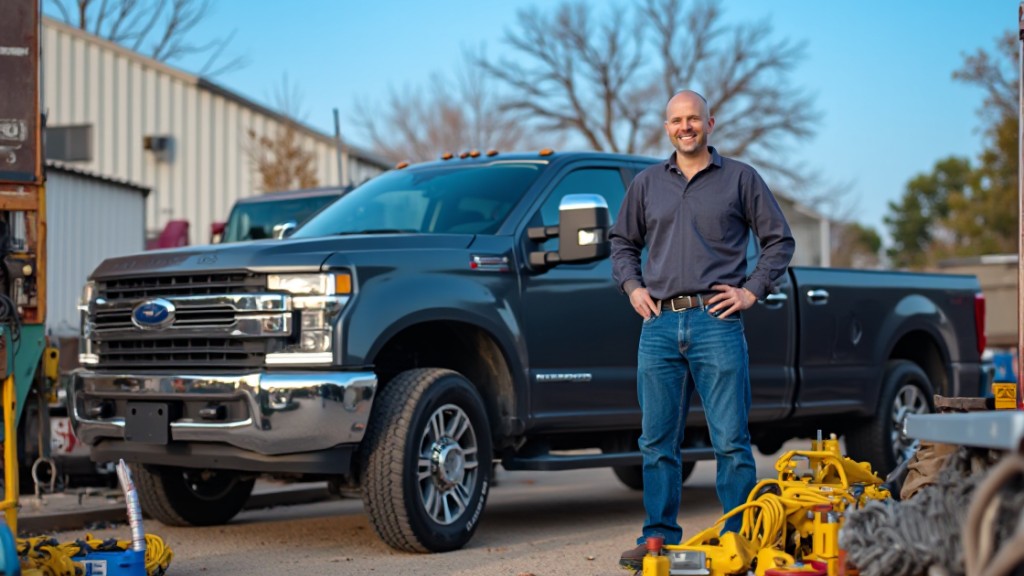
Starting a hot shot trucking business requires careful selection of equipment and materials to ensure efficiency and safety. Focus on your vehicle choice and essential gear to meet operational needs effectively.
Selecting The Right Vehicle
Select a vehicle that handles heavy loads and offers sufficient power. Consider these top options:
- Ford F-250/F-350/F-450 Super Duty: Features strong engines and robust construction. The towing capacities are impressive, with the F-250 capable of towing up to 23,000 lbs, the F-350 up to 38,000 lbs, and the F-450 reaching up to 40,000 lbs when properly equipped.
- Chevrolet Silverado 2500/3500 HD: Known for its advanced technology and high towing capacity. The Silverado 2500 can manage loads up to 22,070 lbs, and the 3500 can handle up to 36,000 lbs.
Essential Equipment for Hot Shot Trucking
Equip your vehicle with the following essential tools and gear:
- Flatbed Trailers: Ideal for transporting a variety of freight types. Trailers must match the load specifications of your vehicle for optimal performance.
- Load Securing Tools: Use straps, chains, and tarps to secure cargo effectively. This prevents damage during transport while adhering to safety regulations.
- Electronic Logging Device (ELD): Implement ELDs for tracking driving hours and ensuring compliance with federal regulations.
Safety Gear and Compliance Tools
Prioritize safety by utilizing appropriate gear and compliance tools:
- Personal Protective Equipment (PPE): Include hard hats, gloves, and safety vests in your toolkit. These items protect you from job site hazards.
- First Aid Kit: Maintain a stocked first aid kit in your vehicle for emergencies. Quick access to medical supplies can aid in addressing minor injuries.
- Regulatory Compliance Materials: Keep documentation of all licenses and permits on hand. Compliance with state and federal regulations is crucial for lawful operation.
By concentrating on the right vehicle and essential equipment, you enhance the foundation of your hot shot trucking business. Keep safety as a priority while ensuring all operational tools meet necessary standards.
Setting Up Your Operations

Establishing effective operations forms the backbone of your hot shot trucking business. It encompasses defining your service area, pricing your services, and creating a structured schedule and workflow.
Defining Your Service Area
Identifying your service area guides operational focus and market reach. Analyze regional demand for expedited freight services. Select specific states or cities where urgency in delivery exists. Utilize tools like Google Maps to evaluate travel times and distances. Research local businesses that typically require hot shot services, such as construction companies and manufacturing plants. Choose a service area that aligns with competitive advantage while ensuring efficient routing.
Pricing Your Services
Determining service pricing affects profitability and marketability. Calculate costs associated with operation, including fuel, maintenance, insurance, and permits. Evaluate competitor pricing in your chosen service area. Establish a pricing model based on per-mile charges or flat rates for specific distances and types of cargo. Include considerations for load size and urgency. Ensure flexibility in pricing to adjust for market fluctuations or unique customer demands.
Building A Schedule and Workflow
Creating a structured schedule streamlines your operations. Outline a daily routine that includes regular maintenance checks for your equipment, trend analysis for cargo demand, and customer engagement strategies. Implement technology solutions such as route optimization software to enhance efficiency. Establish clear communication protocols for coordinating pickups and deliveries. Set aside specific time blocks for administrative tasks such as invoicing and record-keeping to maintain operational effectiveness.
Marketing Your Hot Shot Business

Effective marketing strategies act as a catalyst for growth within your hot shot business. Focus on specific tactics to maximize visibility and secure contracts.
Developing An Online Presence
Create a professional website to serve as your business’s online storefront. Optimize the website using relevant keywords to enhance visibility on search engines. Incorporate essential elements such as your services, contact information, and an engaging portfolio showcasing previous hauls. Regularly update content to reflect new services or promotions. A strong online presence invites inquiries and builds credibility within the industry.
Networking With Local Businesses
Establishing connections with local businesses is crucial for generating sustainable leads. Attend industry events, trade shows, and networking gatherings to meet potential clients. Offer mutually beneficial partnerships, such as referral incentives, that encourage local businesses to recommend your services. Building relationships with repair shops and freight brokers can also enhance your operational network. Cultivating these connections results in a steady flow of contracts and increased brand recognition.
Utilizing Social Media and Online Platforms
Leverage social media platforms to enhance visibility and engage with potential customers. Share high-quality images and videos of successful hauls, demonstrating your commitment to quality service. Post testimonials from satisfied clients to build trust within your audience. Utilize platforms like Facebook and Instagram for their broad reach. Consider joining trucking groups or forums to connect with industry peers and gain insights into current market trends. Using these strategies creates a dynamic online presence that drives traffic to your business.
Managing Finances

Managing finances effectively is essential for the success of your hot shot business. Focus on establishing a solid financial foundation from the outset.
Setting Up A Business Bank Account
Setting up a business bank account for your hot shot business protects personal finances and enhances professional credibility. Choose a Bank of America that offers favorable terms for small business accounts. Prepare required documentation, including your business registration, tax identification number, and any operating agreements. Consider accounts with low fees and access to online banking tools for convenience.
Tracking Expenses and Income
Tracking expenses and income accurately ensures financial clarity in your hot shot business. Utilize accounting software or apps designed for small business finances. Record all transactions, including fuel purchases, maintenance costs, and payments from clients. Assess financial reports monthly to identify trends and make informed decisions on budgeting and spending.
Understanding Tax Obligations
Understanding tax obligations prevents future legal issues and supports financial health. Research federal and state tax requirements relevant to your hot shot business activities. Stay informed about deductions available for operating expenses, vehicle depreciation, and business-related costs. Maintaining organized financial records simplifies the tax preparation process and aids in meeting deadlines.
Troubleshooting Common Issues

Managing a hot shot business requires addressing challenges promptly. Utilizing effective strategies enhances your operational efficiency and customer satisfaction.
Addressing Irregular Business Flow
Evaluate market trends to identify peak demand periods. Consider diversifying service offerings to enhance revenue streams, ensuring business maintains stability throughout fluctuating seasons. Engage with local businesses to uncover potential ongoing contracts that provide consistent work.
Dealing With Equipment Breakdowns
Establish a preventive maintenance schedule to minimize breakdowns. Keep spare parts on hand for critical components to reduce downtime during repairs. Invest in reliable equipment such as high-capacity trucks and durable trailers that can withstand rigorous use, ensuring operational efficiency in your small business.
Navigating Customer Complaints
Respond to customer complaints with empathy and a solution-focused approach. Document all issues to track patterns and implement necessary improvements. Communicate changes transparently to customers, reinforcing your commitment to service quality and maintaining strong relationships.
Helpful Tips For Success

Success in starting a hot shot business depends on several factors. Focus on building relationships, understanding regulations, and committing to continuous learning.
Building Relationships With Clients
- Establish connections with local businesses that require expedited freight services. Networking fosters trust and increases referral opportunities.
- Communicate regularly with clients to understand their shipping needs. Active communication enhances client satisfaction and retention.
- Maintain professionalism by meeting deadlines and providing reliable service. Consistency builds a strong reputation in the market.
Keeping Up With Industry Regulations
- Familiarize yourself with both state and federal regulations regarding hot shot trucking. Compliance ensures smooth operations and protects business interests.
- Stay informed about updates to licensing and insurance requirements. Regularly check resources from the Federal Motor Carrier Safety Administration (FMCSA) and state transportation agencies.
- Implement safety protocols as outlined in industry regulations. Adopting safety measures reduces risks and promotes responsible business practices.
Continual Learning and Improvement
- Attend industry seminars and workshops to update your knowledge. Engaging with experts and fellow entrepreneurs enhances skills and insights.
- Subscribe to industry publications and podcasts for the latest trends. Staying educated helps you adapt your business strategies effectively.
- Analyze your operations regularly to identify areas for improvement. Implementing changes based on performance metrics leads to enhanced efficiency and profitability.
Conclusion

Starting a hot shot business can be a rewarding venture if you’re prepared and informed. By understanding the market and establishing a solid foundation, you’ll position yourself for success. Focus on building relationships with clients and staying updated on industry trends to maintain a competitive edge.
Embrace technology to streamline your operations and enhance customer satisfaction. Remember that continuous learning is vital in this dynamic industry. With dedication and the right strategies, you can navigate challenges and thrive in the hot shot trucking world. Your journey starts now, so take the first step toward building your business today.
Frequently Asked Questions

What is hot shot trucking?
Hot shot trucking is a segment of the freight industry focused on transporting smaller loads quickly, typically using medium-duty pickup trucks and flatbed trailers. This method emphasizes expedited delivery, making it ideal for customers needing urgent transport solutions.
What are the benefits of starting a hot shot trucking business?
Starting a hot shot trucking business offers low overhead costs and high earning potential. The increasing demand for expedited freight creates a viable market. Additionally, this business model allows for flexible scheduling and quick turnarounds, making it attractive to customers.
How do I start a hot shot trucking business?
To start a hot shot trucking business, begin by conducting market research to identify customer needs. Create a detailed business plan outlining your vision. Then, select appropriate equipment, register your business, understand regulations, and develop a marketing strategy.
What equipment do I need for hot shot trucking?
Essential equipment for hot shot trucking includes a reliable pickup truck (e.g., Ford Super Duty or Chevrolet Silverado), flatbed trailers, load securing tools, and electronic logging devices (ELDs). Safety gear, such as personal protective equipment and first aid kits, is also crucial.
What are the legal requirements for hot shot trucking?
Legal requirements for hot shot trucking include obtaining the necessary licenses and permits, like a Commercial Driver’s License (CDL) and Motor Carrier Authority. Complying with state and federal regulations is essential for proper operation and business protection.
How can I market my hot shot trucking business?
To market your hot shot trucking business, create a professional website optimized for search engines. Use social media to engage with potential customers and share your services. Networking with local businesses and attending industry events can also generate leads.
How should I manage finances for my hot shot business?
Establish a business bank account to separate personal and business finances. Track income and expenses using accounting software for clarity. Understand your tax obligations to ensure compliance, and maintain organized records for efficient tax preparation.
What challenges might I face in hot shot trucking?
Challenges in hot shot trucking include irregular business flow, equipment breakdowns, and customer complaints. It’s crucial to address issues promptly to maintain operational efficiency and customer satisfaction. Implementing preventive maintenance and responding to feedback can help mitigate these challenges.
How can I ensure success in my hot shot trucking business?
Success in hot shot trucking hinges on building strong relationships with clients, staying informed about industry regulations, and committing to continuous learning. Regular communication with clients and evaluating areas for improvement will enhance satisfaction and retention.
What are the key elements of a business plan for hot shot trucking?
A solid business plan for hot shot trucking should include your business vision, target market analysis, marketing strategies, financial projections, and operational plans. This document serves as a roadmap for growth and helps you stay focused on your goals.
Image via Google Gemini
The post How to Start a Hot Shot Business: Your Ultimate Guide to Success in Trucking appeared first on BizSugar.