Key Takeaways

- Role Significance: Line cooks are essential in kitchen operations, responsible for food preparation, cooking, and maintaining quality standards.
- Key Responsibilities: Their main tasks include preparing ingredients, cooking meals, managing workstations, and ensuring quality control.
- Necessary Skills: Important skills for line cooks include culinary techniques, time management, attention to detail, effective communication, and physical stamina.
- Fast-Paced Environment: Line cooks thrive in dynamic kitchens, often facing high-pressure situations, especially during peak service times.
- Career Advancement: Entry-level line cooks can advance to positions like sous chef or head chef through skill development, specialization, and networking.
- Team Collaboration: Collaboration with other kitchen staff is vital for efficiency, making teamwork and communication critical components of the job.
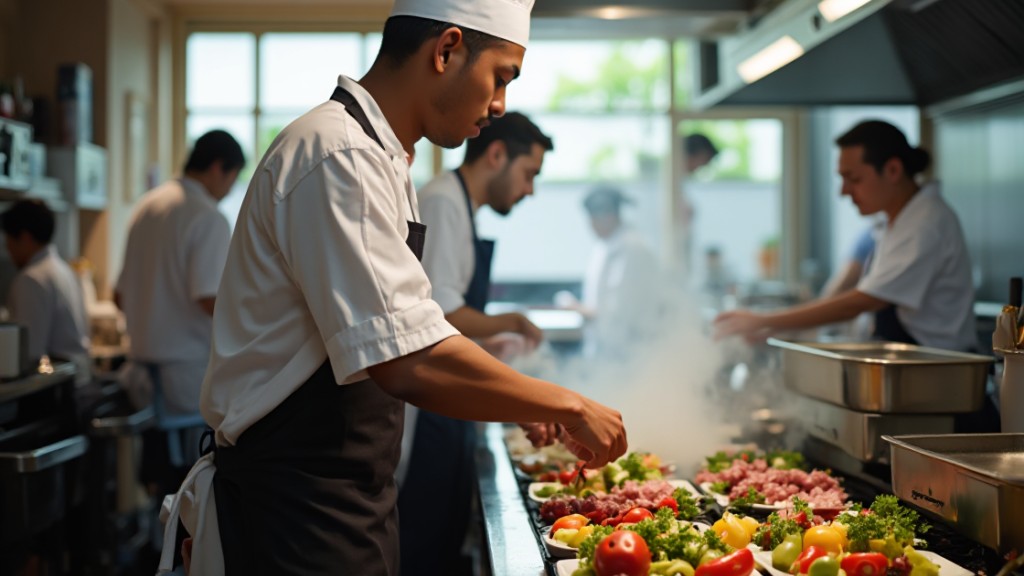
If you’re considering a career in the culinary world, understanding the role of a line cook is essential. Line cooks are the backbone of any kitchen, responsible for preparing dishes efficiently and maintaining high standards of food quality. They work in fast-paced environments where teamwork and precision are crucial.
In this article, you’ll dive into the key responsibilities, skills, and qualifications that define a line cook’s job description. Whether you’re an aspiring chef or looking to hire one, knowing what to expect from this role can help you navigate the culinary landscape with confidence. Get ready to explore what it takes to thrive in this dynamic position.
Line Cook Job Description Overview

A line cook plays a critical role in the kitchen, supporting daily operations and ensuring quality food preparation. Understanding the job description helps small business owners and HR employees effectively hire and train the right candidates.
Key Responsibilities
- Food Preparation: Prepare ingredients according to recipes, ensuring precision and safety.
- Cooking: Cook meals on the line, following established procedures and techniques.
- Station Management: Maintain cleanliness and organization of the workstation during service.
- Collaboration: Work with other kitchen staff to coordinate efficient meal service.
- Inventory Control: Assist in managing stock levels, reporting shortages to management.
- Quality Control: Monitor the quality of dishes before serving to uphold standards.
Essential Skills and Qualifications
- Culinary Skills: Possess knife skills and cooking techniques relevant for the position.
- Time Management: Thrive in a fast-paced environment, delivering orders promptly.
- Attention to Detail: Ensure consistency and quality in food presentation and taste.
- Communication Skills: Communicate effectively with fellow staff and supervisors.
- Physical Stamina: Maintain endurance for long hours on your feet.
- Food Safety Knowledge: Understand health and safety regulations concerning food handling.
This information aids small business owners in identifying necessary skills and responsibilities when hiring line cooks. Proper staffing is essential for maintaining kitchen operations and fostering a productive work environment.
Daily Tasks of a Line Cook

Line cooks play a critical role in the kitchen, handling daily tasks that ensure smooth operations. Their responsibilities encompass food preparation and cooking techniques essential for delivering quality dishes.
Food Preparation
Line cooks prepare food by performing tasks such as chopping vegetables, butchering meat, and preparing sauces. You stock your station with necessary supplies before service starts, maintaining organization and readiness. Effective food preparation enhances efficiency, allowing for quicker service times in your small business. Properly trained line cooks improve consistency and quality in the dishes served, supporting overall customer satisfaction.
Cooking Techniques
Line cooks execute cooking techniques under the guidance of the executive or sous chef. You cook menu items following precise specifications, using methods like grilling, sautéing, or baking. This collaboration with the kitchen staff ensures that each plate meets standard expectations while maintaining flavor and presentation. Adopting various cooking techniques allows for versatility in your menu, appealing to a broader customer base and bolstering sales for your small business.
Work Environment
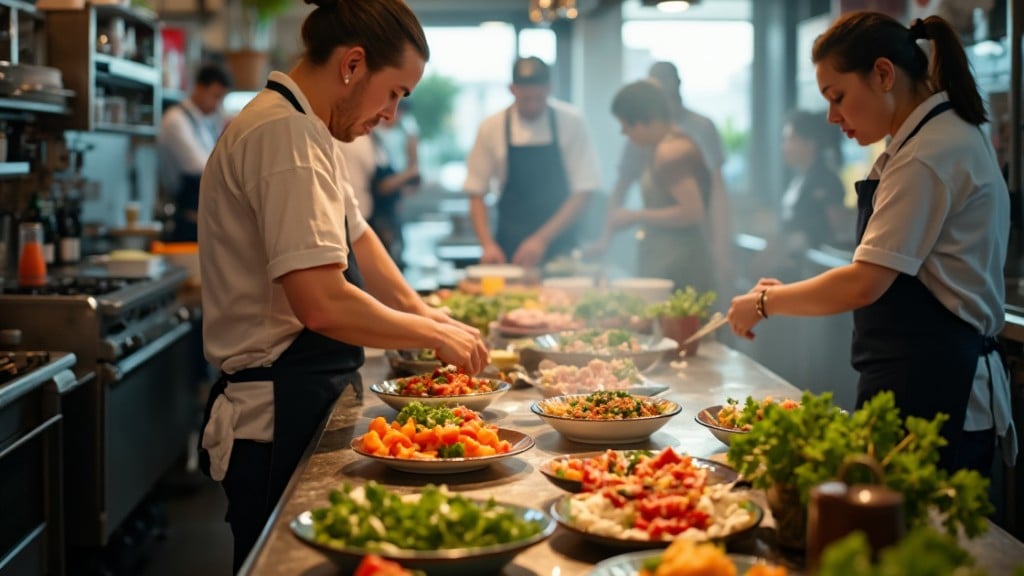
Line cooks operate in a fast-paced kitchen environment that demands both physical stamina and efficiency. You spend 100% of your time standing, with occasional exposure to cold, heat, and water. This chaotic setting often intensifies during busy periods, like dinner rushes, but a well-organized team transforms this chaos into a coordinated effort.
Kitchen Setup
You manage the setup and stocking of your station with necessary supplies before commencing work. Preparing for service requires available and organized essential items, ensuring smooth operations. You perform various tasks, such as chopping vegetables, butchering meat, and preparing sauces. Effective kitchen setup contributes to improved service times, critical for small business staffing and maintaining customer satisfaction.
Team Collaboration
You collaborate closely with other kitchen staff to enhance workflow and maintain high standards. Communication is vital during peak hours to ensure that food preparation aligns with the overall demands of the kitchen. By fostering a supportive working environment, you contribute to a cohesive team that boosts operational efficiency. For small business owners and HR personnel, understanding team dynamics reinforces the importance of hiring employees who can thrive in such collaborative settings, promoting a productive kitchen atmosphere.
Career Progression

You can consider several steps in career progression as a line cook. Advancement opportunities often lead to positions such as sous chef, chef de partie, or even head chef, depending on your skill level and experience.
- Entry-Level Positions: Start as a prep cook or line cook, focusing on honing your basic culinary skills and understanding station management.
- Skill Development: Gain extensive experience in various cooking methods and techniques. This knowledge enhances your profile as a candidate for better positions.
- Specialization: Consider specializing in a specific cuisine or cooking technique, which can set you apart from other staff members.
- Management Training: Seek opportunities for management training and mentoring, often provided by more experienced chefs, so you’ll become familiar with staffing, inventory control, and kitchen operations.
- Networking: Connect with industry professionals and participate in culinary events. Building a network can help you find job opportunities in more prestigious establishments.
Progressing through these stages not only benefits your culinary career but also adds value to small business operations by bringing in skilled employees who contribute to better kitchen efficiency and quality. For small business owners, investing in your staff’s career growth leads to higher job satisfaction and retention rates, ultimately strengthening your kitchen team.
Conclusion

Understanding the line cook’s role is crucial for anyone involved in the culinary industry. Their skills and dedication not only enhance kitchen efficiency but also contribute significantly to customer satisfaction. By hiring the right line cooks and investing in their development, you can create a more productive and harmonious kitchen environment.
As you consider the demands of this position, remember that effective communication and teamwork are essential for success. Recognizing the potential for career growth within this role can also motivate your staff and improve retention rates. Emphasizing these aspects will ultimately lead to a thriving culinary operation that stands out in a competitive market.
Frequently Asked Questions

What is the role of a line cook in a kitchen?
A line cook is essential to kitchen operations, primarily responsible for food preparation, cooking, and managing their assigned station. They work under the guidance of executive or sous chefs and collaborate with other kitchen staff to ensure smooth service and delivery of high-quality dishes.
What skills are important for a line cook?
Key skills for line cooks include culinary expertise, time management, attention to detail, effective communication, physical stamina, and knowledge of food safety practices. These skills are crucial for maintaining efficiency and quality in the fast-paced kitchen environment.
What are the daily tasks of a line cook?
Line cooks perform tasks such as chopping vegetables, cooking proteins, and plating dishes. They also manage their cooking stations, ensure all supplies are prepared, and communicate effectively with teammates to maintain operational flow during busy service periods.
How can someone become a line cook?
Aspiring line cooks can start by gaining experience in kitchen environments, such as internships or entry-level positions. Culinary education can be beneficial, along with developing key skills through practice, networking, and learning from experienced chefs to advance in the culinary field.
What are the career advancement opportunities for line cooks?
Line cooks can progress to various roles within the culinary field, such as sous chef, chef de partie, or head chef. Advancement typically depends on skill level, experience, specialization in certain cuisines, and opportunities for management training and networking within the industry.
Image via Google Gemini
The post Essential Line Cook Job Description for Small Business Owners: Roles & Requirements appeared first on BizSugar.