If 2025 taught us anything, it’s that AI is no longer just a side tool. It’s the engine running campaigns and reshaping how people discover brands.
At the same time, platforms have declared war on the “click.” We’re seeing an aggressive push for native conversions, where the goal isn’t to drive traffic to the website but to close the deal right in the feed.
That shift toward “frictionless” experiences, combined with the saturation of AI-generated noise, has forced another major change. Content with deep educational value is starting to outperform the high-volume, “101-level” content that simply fills space.
As we get deeper into the new year, those shifts are accelerating.
The top digital marketing trends for 2026 reflect this reality: Automation handles execution, while human elements like strategy and storytelling set the winners apart.
If you want to stay relevant, abandon the old metrics of “rankings” and “reach.” They no longer guarantee relevance. Here’s what’s actually moving the needle in 2026 (and how the best digital marketers are keeping up).
Key Takeaways
- With the rise of agentic AI, machines can now handle the lifecycle and campaigns, but human oversight is essential.
- User discovery spans platforms like TikTok, Reddit, YouTube, and Meta. Each one requires unique formats, signals, and intent-based optimization.
- Funnels are no longer static. AI personalizes journeys in real time based on user behavior, replacing manual segmentation and drip campaigns.
- Chat assistants recommend brands based on trust and content relevance. Consistency and large language model optimization (LLMO) are key to inclusion.
- Google’s traditional and AI systems (PMax, AI Overviews, Demand Gen, and Search) now operate as one. Aligning creative and goals across all touchpoints boosts results.
AI Agents Take Over Execution
We’re already seeing AI streamline much of a marketing team’s content production. But the new flex is agentic AI. We’re talking about autonomous “team members” that can now handle your entire campaign workflow.
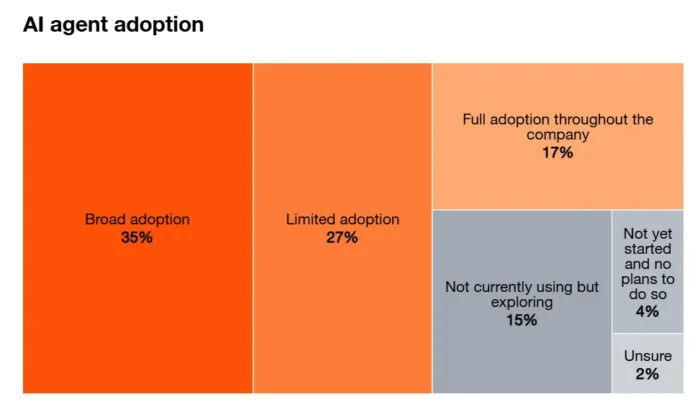
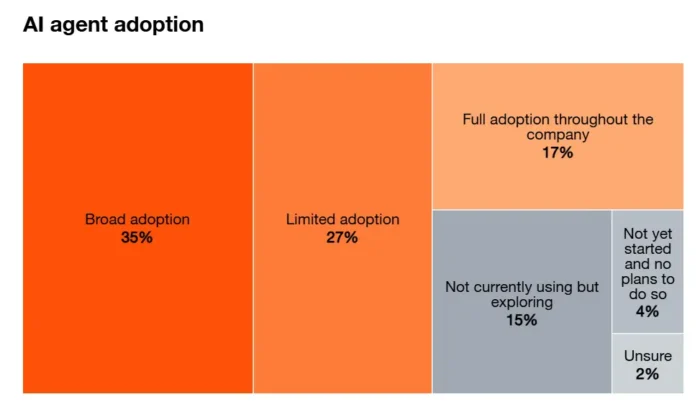
According to PwC, nearly 80 percent of organizations have already adopted AI agents to some degree. And most plan to expand use as these systems move from experimentation into day-to-day operations.
This goes far beyond production and publishing. Large language models (LLMs) have advanced to the point that they can manage the full lifecycle. We’re talking about agents embedded into tools that can help:
- Manage your customer relationship management (CRM) data
- Analyze data performance
- Provide campaign insights
- Adjust ad bids for paid campaigns in real time
This year, AI is going from writing your content to autonomous operations. It handles the execution while you focus on strategy and oversight.
Search Everywhere Optimization Becomes Mandatory
For the last few years, “search everywhere” has been a catchy conference buzzword. In 2026, it’s a baseline for survival.
The era of the “Google-default” mindset is over. Discovery now happens across platforms, feeds, and AI systems. Today’s SEO is drifting more and more toward search everywhere optimization and less search engine optimization.
Your audience isn’t just “Googling it” anymore. They’re asking questions and validating purchases on the platforms they trust most. And each has its own algorithm, formats, and user behavior.
For example:
- A TikTok viewer wants quick, visual tips.
- A Reddit user wants deep, authentic discussion.
- Pinterest needs eye-catching visuals with keyword-rich descriptions.
- YouTube demands longer, high-value content with tight intros and strong engagement.
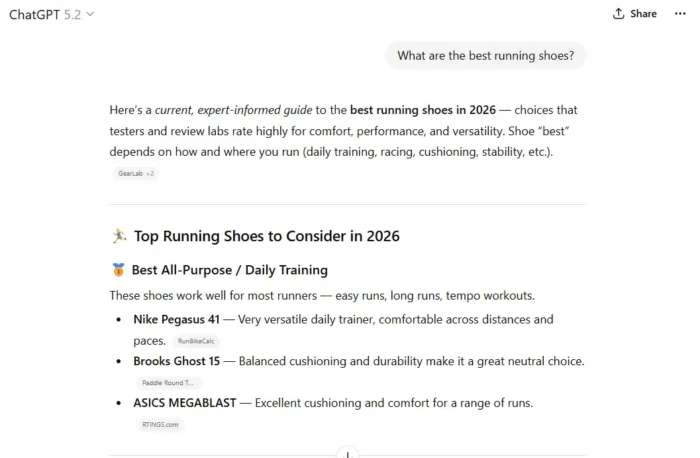
The most disruptive shift, however, is happening outside traditional feeds. Voice assistants like Alexa and Siri, and generative chat tools like ChatGPT, Gemini, or Claude are increasingly acting as answer engines.
The numbers show where we’re headed. Nearly 1 in 5 people use voice search, and Statista predicts 36 percent of the global population will be searching via AI by 2028.
Prompt-Driven Campaigns and Product Development
Digital marketers no longer need full engineering cycles to test new ideas.
Prompt-driven tools now make it possible to prototype calculators, quizzes, internal tools, and campaign utilities in hours instead of weeks.
Tools like Cursor and Replit let marketers translate plain-language instructions into working interfaces, lowering the barrier to experimentation. You still need engineering for production-scale products, but prompts now handle much of the early build and validation work.
Base44 is another example of a “vibe coding” platform that can turn your detailed descriptions into functional tools, reinforcing the same idea: Prompts are becoming a new control layer.
Everyone’s an engineer now. Look out, Silicon Valley!
The game has changed. You can now test fast, learn faster, and skip the bottlenecks that used to slow everything down.
Funnels Become Dynamic and Self-Optimizing
Static funnels are out. In 2026, customer journeys are becoming shorter and increasingly influenced in real time by AI systems.
It may seem shocking at first, but it makes sense when you zoom out and think about it. We are no longer pushing users through a pre-set funnel. We’re letting AI agents build the funnel around the user in real time.
In the early days of Google (and online shopping), a customer would have to visit several sites to research and read reviews—and, eventually, make a purchase. This is the classic marketing funnel we’re all familiar with. There’s a clearly defined top-of-funnel, mid-funnel, and bottom-of-funnel.
With generative AI tools now offering in-platform purchases, that funnel shrinks significantly. Your typical user can now research, build trust, and make a purchase all within an LLM like ChatGPT.
We’ve even begun to see major retailers like Walmart and Amazon move toward this model.
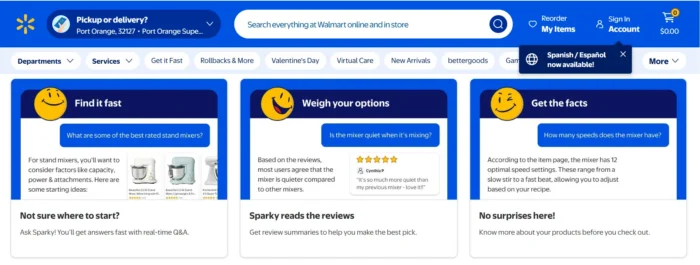
Walmart Sparky can answer user queries and pull in product recommendations to answer deeper questions. It even leads you to check out when you’re ready to purchase.
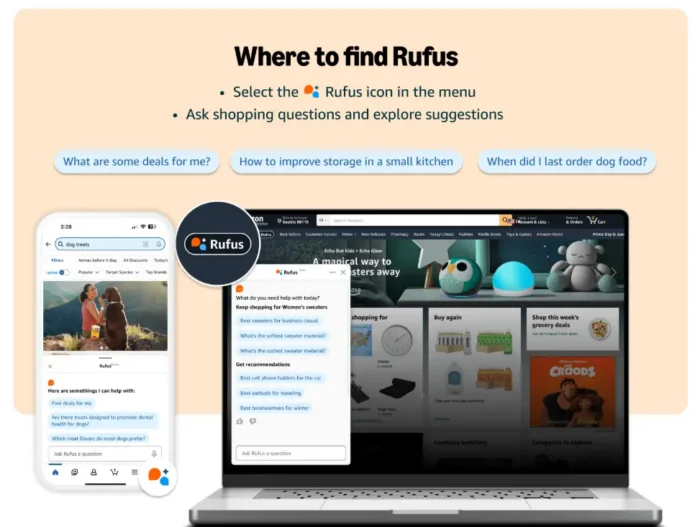
The same setup applies to Amazon Rufus, enabling customers to get details, get suggestions, get help, and get inspiration (and ultimately get stuff) all within one platform.
The result is higher engagement and faster conversions with way less manual work. These tools provide a hyper-personalized shopping experience faster than ever before. Platforms like Shopify and Etsy have also partnered with ChatGPT to purchase products directly in the LLM.
AI Attribution Connects Content to Revenue
Attribution isn’t new, but it’s getting more accurate. AI-powered attribution now connects every touchpoint—from the first video view to the final click—with real revenue outcomes.
Platforms like Wicked Reports are enabling marketers to tie initial ad clicks to lifetime purchases and provide “first click” and “time decay” tools to help you pinpoint the most successful starting point for your customers’ buying journeys. This app also provides revenue forecasting to help B2C and e-commerce businesses reliably predict and scale their growth.
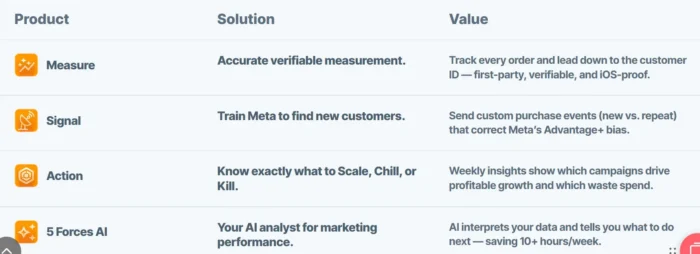
Your latest blog post may not have converted immediately, but it made the visitor trust you enough to subscribe for email updates. That email is the next stop in their journey, pushing them to check out your pricing page. AI sees it all and assigns value accordingly.
With these new insights, you finally know which content moves the needle.
And it’s having a real financial impact. Teams using AI-driven marketing analytics report return on investment (ROI) improvements of roughly 300 percent and customer acquisition costs dropping by more than 30 percent.
Chat Assistants Reshape Discovery
We mentioned earlier how people’s search has evolved into asking AI chat tools like ChatGPT, Gemini, and Perplexity to answer their product questions. These platforms now include brand recommendations built right into the response, as well as the ability to shop for Shopify and Etsy products.
This is the same dynamic powering tools like Walmart Sparky and Amazon Rufus, where research and recommendations happen within a single AI experience.
These assistants don’t list 10 “sponsored” links, a la Google. They summarize what they trust. If they don’t mention your brand, you’re invisible in this new layer of discovery.
It takes more than gaming keywords to show up on these platforms. It’s all about relevance and consistency.
The more helpful, high-quality content you create around a topic, the more citations you’ll receive from users sharing it across the internet. Signals like structured content, schema markup, and consistent third-party validation help AI systems interpret your authority and decide when your brand is worth referencing.
This shift has given rise to large language model optimization (LLMO), a new branch of SEO focused on training AI to recognize and recommend your brand. If you’re not already thinking about LLMO, it’s time to get caught up.
The big takeaway here is that usefulness matters more than volume as discovery moves into AI systems. Provide enough high-quality answers to your audience’s questions, and the bots will start to bring your name up first.
Content Structure Becomes Even More Important
Old-school SEO was all about keywords. In 2026, performance increasingly comes from covering topics in depth and structuring content so both people and machines can understand it.
As we mentioned in the last section, search engines and AI assistants care more about how well you answer a question than how many times you use a keyword. That means your content needs to be thorough and easy to interpret at a glance, no matter who (or what) is doing the glancing.
NerdWallet does this well by organizing credit card content into a clear hub, then breaking it into tightly related subtopics that cover a ton of topical ground. It’s no longer a game of relying on individual keyword pages. Notably, Nerdwallet is one of the most frequently cited websites in LLMs.
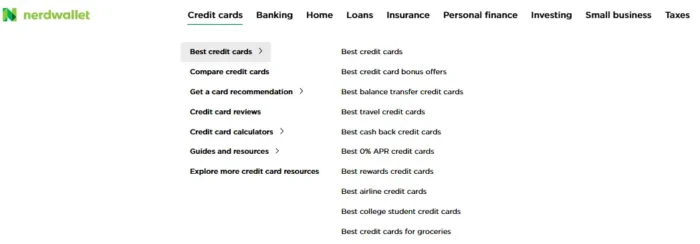
So, switch your strategy mindset from pages to topic clusters. Cover a topic from every angle across multiple assets. Use headers, FAQs, schema markup, and internal links to connect the dots.
The better you structure your content, the easier it is for AI to find and promote it.
Your target audience is searching across multiple channels in today’s environment. Focusing on individual keywords leaves a lot of opportunity on the table.
Today’s rising search platforms, like social media apps and LLMs, revolve around semantic queries.
People talk to these tools naturally and conversationally (some of them even use ChatGPT’s voice functionality). This means you can’t hone in on a specific keyword. Using a keyword cluster that covers the most popular phrasings customers may use is a much better way to make sure you’re covering what people are asking, increasing your probability of being found.
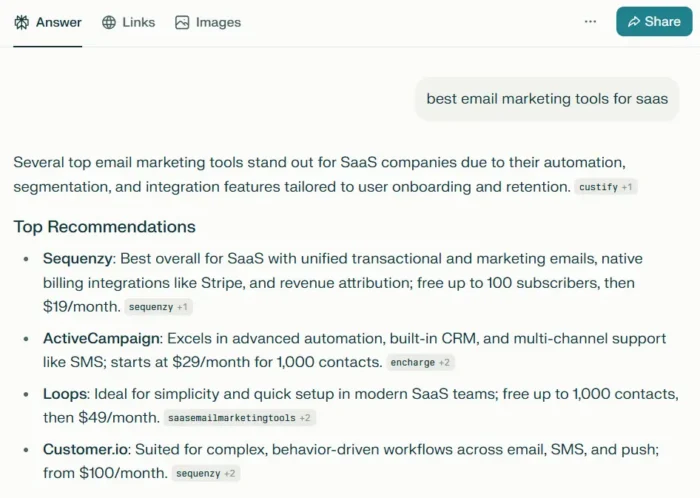
This query within Perplexity demonstrates how people interact with search tools. They’re not always typing keywords. They’re asking full, conversational questions and expecting a clear answer.

You also have to consider that many users never click through to your site. Zero-click searches are growing fast, which means your content needs to deliver value right in the SERP—or immediately on platforms like social, LLMs, and voice.
If you’re still chasing individual keywords, you’re missing the bigger opportunity: becoming the trusted source on your topic.
Brand Trust Is Measured in Citations and Sentiment
AI doesn’t care how loud you are. It cares how often others talk about you, and what they say when they do.
Large language models prioritize brands with consistent, credible citations across the web. That includes mentions in blog posts, news articles, podcasts, reviews, and Reddit threads. The more quality signals you earn, the more likely AI is to recommend you.
But the mentions are just the beginning. Your performance in 2026 really boils down to your audience’s perception of you. Sentiment analysis now plays a big role in ranking. Positive discussions boost your chances of surfacing in AI results, while negativity can drag you down.
Until recently, this layer of discovery was almost impossible to measure. Traditional analytics don’t show when your brand is cited inside AI-generated answers. But a new class of AI visibility tools now tracks where and how often brands appear across platforms like ChatGPT, Perplexity, Claude, and Google’s AI Overviews (along with the surrounding context). But what types of brands are succeeding using this strategy?
Brands like Patagonia and TOMS are shining examples of this. These companies leverage philanthropy to increase their goodwill and, in turn, their customers’ positive sentiment toward them.
Leveraging elements like philanthropy the right way switches these brands’ audiences from customers to loyal supporters.
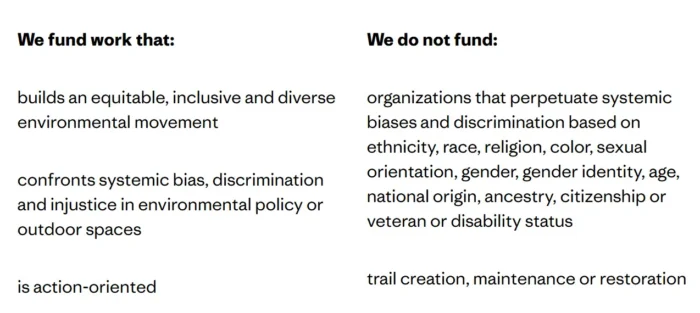
This shift rewards brands that build goodwill rather than just backlinks. If your strategy still centers on shouting the loudest, you’ll get buried by brands that are being talked about, and for the right reasons.
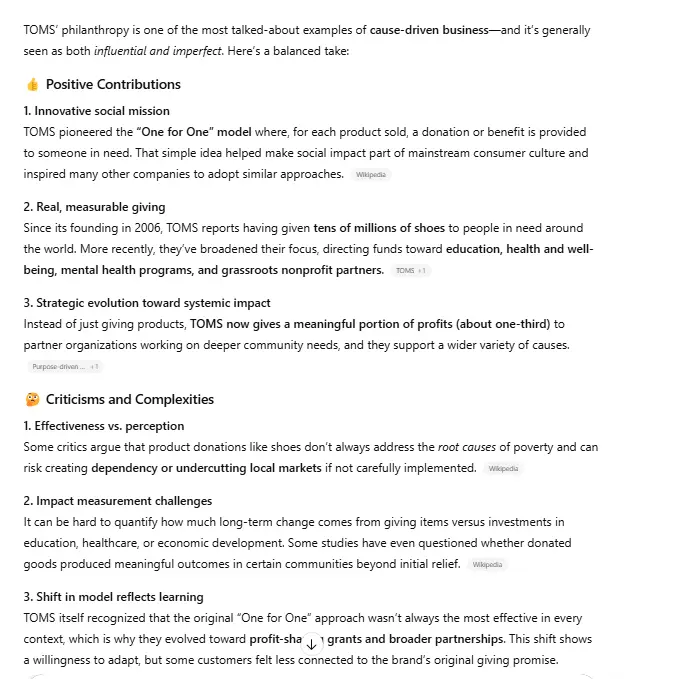
Trust is now your most important ranking factor. Earn it or fade out.
Blogs Influence AI Models, Not Just Traffic
If you think blogs don’t “work” like they used to, you’re missing the bigger picture. They still do heavy lifting behind the scenes to shape AI output and position your brand as a go-to source.
In modern search, everything you publish helps shape how AI models understand your brand. When you consistently cover a topic with depth and clarity, models start to associate your name with that subject.
This new reality turns your blogs from content assets into signals of authority.
Even if search traffic dips due to zero-click results or AI summaries, the long-term payoff is still there. The more high-quality content you create, the more likely your brand is to be cited by the higher-profile AI channels and included in trusted content roundups.
Social Platforms Function as Search Engines
As the search everywhere trend shows us, search behavior is spreading. And, according to Statista, nearly a quarter of U.S. adults treat social media as their starting point for search.
People are searching TikTok to see how something works or whether a restaurant’s worth trying.
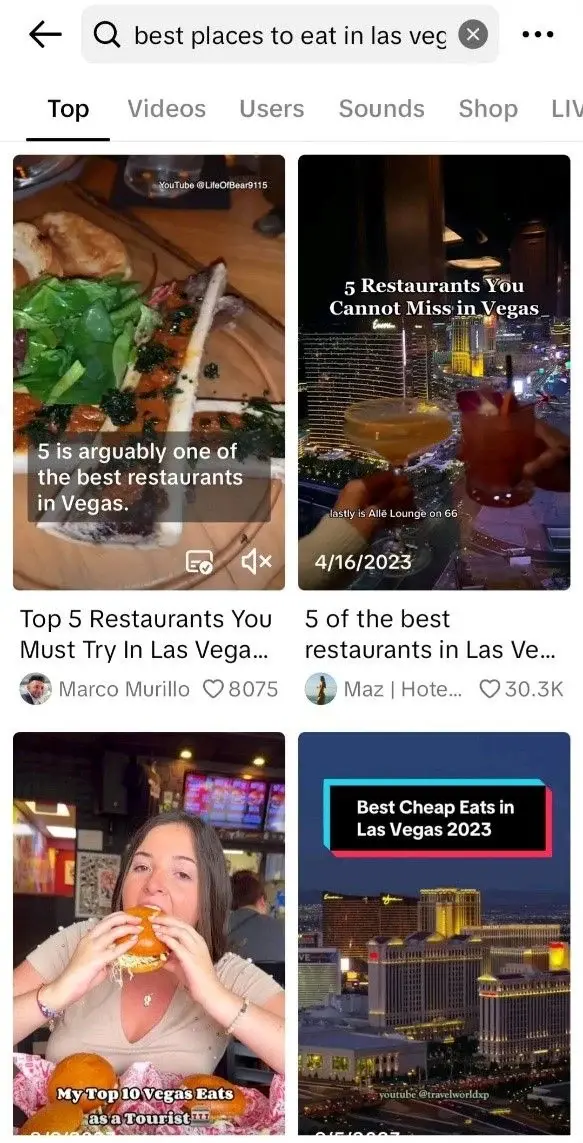
They’re using YouTube to learn how to install software or compare skincare brands. Considering that this is the largest search engine after Google, it’s a great platform to focus efforts on.
This matters because social search runs on a different logic than traditional SEO or AI answer engines. These platforms reward relevance through engagement.
Each platform has its own discovery logic. TikTok rewards watch time and velocity. YouTube favors relevance and retention. Instagram leans on recency and interaction.
Without optimizing for these platforms, you’re missing a huge part of the search pie. You should be treating social platforms like search engines, because your audience already does.
This is where more traditional on-page SEO comes into play. That means digging into the types of questions your audience is asking and focusing on tried-and-true tactics like using clear, searchable titles and engaging hooks to “stop the scroll” and get your viewers’ attention in the first three seconds.
Content Quality Outperforms Quantity Across Channels
Publishing more content won’t save you in 2026.
Social platforms are flooded, and search is competitive. On top of that, AI is getting better every day at filtering out thin, repetitive, or regurgitated content.
Consequently, original insights and pieces that actually teach something are rising to the top.
We see this in emerging trends. For starters, the average number of posts per day among brands has decreased to 9.5. Engagement is moving in the opposite direction, with inbound interactions increasing by roughly 20 percent year over year.
Instead of posting five times a day, focus on publishing things worth reading and sharing, even if it’s only one well-structured piece of content per week.
A thoughtful video or long-form LinkedIn breakdown that sparks conversation will do much better than 100 pieces of AI-generated blogs that barely scratch the surface of a topic.
Take National Geographic, for example. Rather than posting constantly, it focuses on educational storytelling. Check out its TikTok grid.
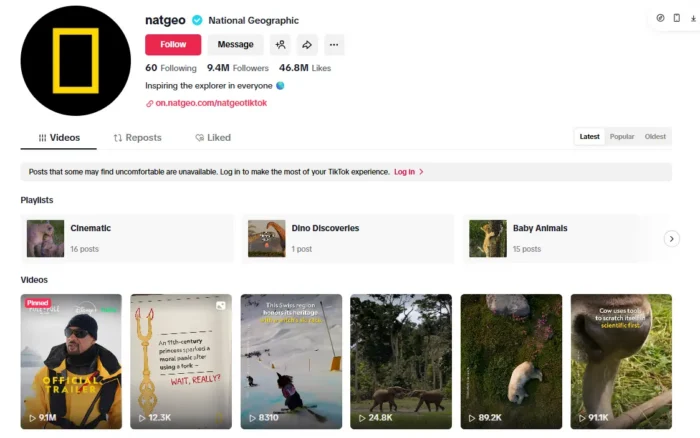
Content creators are experiencing the benefits of this strategy in real time.
A recent survey finds that 35 percent of creators say they’re seeing higher potential ROI from longer-form content formats, with 39 percent saying they’re seeing better engagement. And almost half (49 percent) say that the choice to produce longer-form content is helping them reach a wider audience.
If your strategy is still built around churning out content to “stay active,” it’s time to shift. Fewer pieces. Bigger impact. Better outcomes.
That’s what wins in 2026.
Conversion Happens On-Platform, Not On-Site
The platforms people use every day are getting very good at keeping them there.
Think about it: Nearly every social platform has lead forms and lets you shop inside the app. The goal of these features is to help you convert without ever leaving their platform.
Instagram and TikTok, for example, have fully integrated shopping experiences. And it’s working. Sales through social media channels are forecasted to reach nearly 21 percent in 2026.
Google’s even testing AI-generated product recommendations with built-in checkout links, like Etsy and ChatGPT. The whole point is to remove friction and keep the experience seamless.
That shift changes what a “landing page” even means. In many cases, it’s a native form, a product card, or an in-app checkout flow that closes the deal on the spot.
Your website still matters, but forcing every conversion to happen there can introduce unnecessary drop-off. When users are ready to act, the simplest path usually wins.
This shift is giving rise to what some teams now call checkout optimization, and it’s getting some pretty serious results. E-commerce brands with 1,000 to 2,000 orders per month are implementing checkout optimization and seeing measurable gains in shipping revenue and order total.
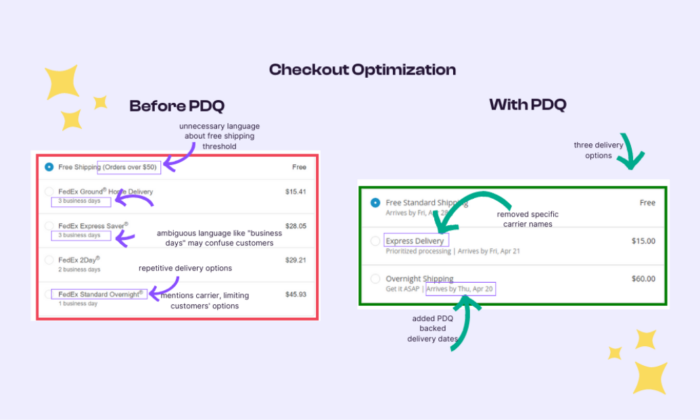
When you meet users where they are, you lower the barrier to action. No load times. No messy redirects. Just a quick tap or swipe to buy, book, or sign up.
Video Becomes a Primary Search and AI Input
Video is increasingly becoming more than just a distribution format. It’s now a primary way people search—and a growing input for AI systems.
Search engines and AI platforms now index video much like they do written content, pulling from structural signals to generate results. If those signals aren’t there, the video might as well not exist.
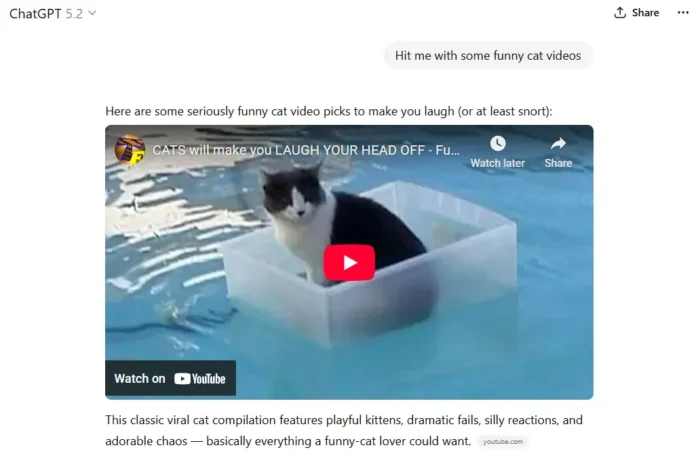
What do those signals look like in practice?
Well, because search engines and AI platforms can’t watch your videos, they instead rely on clean transcripts, keyword-rich titles and descriptions, and clear segmentation. Think chapters, not rambles. Structure is what makes video searchable.
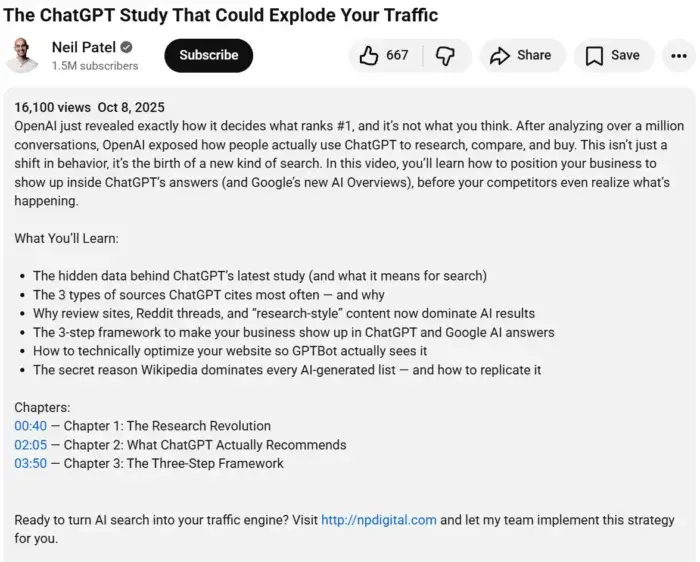
The more structured and searchable your video content, the more likely it is to be cited by AI assistants.
Text still matters. But if video isn’t part of your SEO and discovery strategy, you’re leaving serious visibility on the table.
Paid Media Shifts to AI-Led Campaigns
We’ve seen AI-driven paid media campaigns for some time now, but platforms like Google’s Performance Max and Meta’s Advantage+ are refining and elevating how it’s done. We’re seeing these platforms automatically testing creative and placements to hit performance goals, and even testing the benefits of AI-powered segmentation or ad bidding.
The result is less manual control and more system-led optimization, which is a benefit for many marketers. Retail marketers, for example, have seen a 10 percent to 25 percent lift in their return on ad spend (ROAS) by implementing AI-powered campaign elements.
But “hands-off” doesn’t mean “set it and forget it.”
In this model, your role shifts from managing campaigns to training the system. The better your inputs—creative variety, first-party data, and clear conversion signals—the better your results.
Lazy targeting and generic ads just get ignored.
Want to lower customer acquisition cost (CAC) or increase return on ad spend (ROAS)? Focus on refining your creative and uploading strong first-party data. AI will handle testing and optimization, but it can’t fix bad inputs.
Savvy marketers are shifting their roles from campaign operators to strategy leads. They’re spending less time on dashboards and more time building assets that actually convert, such as a robust content library or unique, impactful insights from proprietary data.
It all comes down to this: AI runs the ads, but you train it. If you’re not giving the algorithm something great to work with, you’re not going to like what it gives back.
FAQs
What are the digital marketing trends for 2026?
In 2026, AI is running full campaigns, dynamic funnels are replacing traditional static ones, and users are increasingly discovering brands across platforms. Chat assistants like ChatGPT now also recommend brands, and SEO is more about structured topics than keywords. Quality content outperforms quantity, and conversion often happens off your site.
How can businesses stay updated on marketing trends?
Follow trusted industry blogs (like NeilPatel.com), subscribe to marketing newsletters, and keep an eye on platform updates from the big players (Google, Meta, and TikTok). Tools like Ubersuggest can also help spot shifts in search behavior. But more than anything, continue testing and tracking, and stay close to what your audience responds to.
Conclusion
Many experts say that marketing is changing, but the fact is that it’s already changed.
AI now drives the full spectrum of content marketing. Platforms prioritize native conversion. Content shapes how machines and people see your brand. If you’re still playing by old rules—keyword-centric strategy, manual funnels, or high-volume posting—you’re going to get left behind.
Winning in 2026 means adapting quickly to emerging digital marketing trends by thinking strategically and building trust across every touchpoint.
If you’re not sure where to start, check out my guide on search engine trends to see how modern discovery actually works today.
The marketers who move first always get the advantage. So, make your move.