

Managing inventory effectively is vital for small businesses to remain competitive and profitable. By applying important strategies like comprehending your supply chain, leveraging technology, and forecasting demand, you can streamline operations and reduce costs. Regular stock audits and optimizing storage space further boost efficiency. Furthermore, maintaining clear communication with customers and establishing strong supplier relationships can improve service levels. These practices can greatly impact your bottom line, so let’s explore them in detail.
Key Takeaways

- Utilize inventory management software to automate tracking and optimize stock levels in real-time.
- Conduct regular stock audits to identify discrepancies and maintain accurate inventory counts.
- Establish strong relationships with diverse suppliers to ensure timely deliveries and better inventory management.
- Use historical sales data to forecast demand and adjust inventory levels accordingly.
- Communicate transparently with customers about inventory status to enhance satisfaction and trust.
Understand Your Supply Chain and Find Alternatives

To effectively manage your inventory, it’s crucial to comprehend your supply chain and investigate alternatives. Start by analyzing critical items, highest costs, and materials that are difficult to stock. This analysis helps you identify vulnerabilities, such as reliance on single suppliers, and empowers you to diversify your procurement process.
Exploring diverse sourcing options, including domestic suppliers, can mitigate risks associated with shipping issues and tariffs that disrupt inventory flow. Regularly evaluating supplier performance guarantees timely deliveries and quality, which directly impacts your inventory levels and customer satisfaction.
In addition, consider using accounting and stock management software or accounting software with stock control features. These tools improve visibility into your supply chain, allowing for more informed decisions regarding stock management.
Utilize Technology for Efficient Inventory Management

Comprehending your supply chain opens the door to leveraging technology for efficient inventory management. Investing in inventory management software can automate stock level tracking, provide real-time counts, and issue reorder alerts. This greatly reduces errors associated with manual tracking methods.
Cloud-based inventory solutions allow you to manage your stock remotely and share information in real-time, enhancing collaboration among your teams.
Utilizing barcode scanning technology speeds up inventory counts and improves data entry accuracy. Integrating your inventory management system with e-commerce platforms enables automatic stock updates across sales channels, minimizing the risk of stockouts and overstocking.
Moreover, advanced analytics tools can help analyze sales trends and forecast demand, ensuring your inventory levels align with market needs. By embracing these technological advancements, you’ll optimize your inventory management practices and improve overall efficiency, positioning your business for success.
Forecast Demand and Identify Slow-Moving Stock

Forecasting demand and identifying slow-moving stock are crucial components of effective inventory management. Start by utilizing historical sales data to identify trends, ensuring you analyze at least one year’s worth for accurate predictions of future product needs.
Regularly review these forecasts, adjusting them monthly to account for upcoming events or market shifts that may cause demand spikes.
To identify slow-moving stock, monitor your inventory turnover rates and take action on items that haven’t sold in 60–90 days; consider promotions or reevaluating their necessity.
Establish reorder points based on lead times and sales velocity to prevent stockouts, all the while maintaining safety stock levels for unexpected demand fluctuations.
Finally, communicate regularly with your suppliers about anticipated demand increases, ensuring they can fulfill orders without delay when needed.
This proactive approach will help you manage your inventory more effectively and keep your business running smoothly.
Implement Regular Stock Audits

To effectively manage your inventory, you need to implement regular stock audits.
By establishing a consistent counting schedule, you’ll identify discrepancies quickly and improve the accuracy of your data.
This proactive approach not just streamlines inventory control but additionally supports better decision-making for your business.
Establish a Counting Schedule
Establishing a counting schedule for your inventory is essential, as it enables regular stock audits that help you pinpoint discrepancies and maintain accurate records year-round.
By implementing cycle counting methods, you can continuously monitor inventory, focusing on high-impact items that improve accuracy as well as reducing the workload of annual counts.
Make it a priority to conduct regular audits of high-value or fast-moving items, since these have a greater influence on cash flow and operational efficiency.
Set a consistent schedule, like weekly or monthly, to make certain inventory levels are regularly checked.
Moreover, consider utilizing visual management systems, such as color coding, during audits to quickly assess inventory status and streamline the counting process, leading to more efficient operations.
Identify Discrepancies Promptly
Regular stock audits are vital for identifying discrepancies in your inventory, and conducting them at least quarterly can greatly reduce the risk of losses due to theft or errors.
Implementing cycle counting methods allows you to continuously monitor inventory levels, especially for high-impact items that are more prone to discrepancies.
Using inventory management software can automate tracking, enabling real-time updates and alerts on stock levels.
It’s important to establish a clear process for reconciling discrepancies by investigating their root causes and taking corrective actions.
Moreover, training your employees on proper inventory handling and auditing practices promotes a culture of accountability, ensuring they understand the importance of accurate record-keeping and effective stock management.
Enhance Data Accuracy
Even though you might think that inventory management is solely about tracking stock levels, enhancing data accuracy through regular stock audits plays a crucial role in maintaining an effective system.
Conduct these audits monthly to spot discrepancies between physical inventory and what’s recorded, ensuring your data stays accurate. You can implement cycle counting, which allows you to monitor inventory continuously without shutting down operations completely.
Using technology like barcode scanning or RFID systems during audits reduces human error. It’s important to train your staff on accurate inventory recording and the audit process, encouraging accountability.
Finally, analyze audit results to identify patterns of shrinkage or errors, so you can adjust your inventory practices and supplier relationships to prevent future discrepancies.
Optimize Your Storage Space
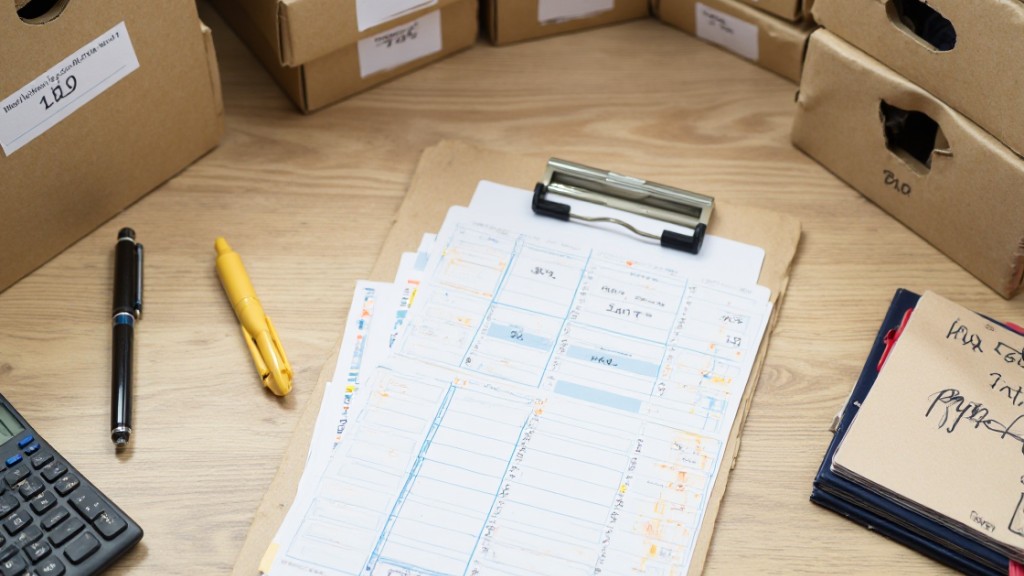
Effective storage space optimization is crucial for small businesses looking to streamline their operations and improve efficiency. Start by organizing your inventory based on usage frequency; categorize items into fast-moving, slow-moving, and seasonal products. This method streamlines access and maximizes space utilization.
Consider using vertical storage solutions like shelving and racks, which can increase your storage capacity by up to 50%. Implement a systematic layout that places high-demand items closer to shipping and packing areas to reduce retrieval time.
Regularly assess your storage areas to declutter obsolete or slow-moving stock, which frees up valuable space and boosts inventory turnover rates. Clear labeling and signage within your stockroom improve visibility and organization, potentially reducing search time for items by up to 30%.
Maintain Clear Communication With Customers

Once you’ve optimized your storage space, the next step in improving your inventory management is to maintain clear communication with your customers. Keeping customers informed about inventory levels cultivates trust.
For instance, real-time stock updates can greatly reduce frustration from stockouts. Informing them about expected delivery times and stock availability can boost satisfaction, as studies reveal that 78% of consumers value transparency in order fulfillment.
Regular updates about promotions or changes in inventory can likewise drive sales; 52% of consumers are more likely to purchase when they’re well-informed.
Utilize multiple communication channels, such as email, social media, and website notifications, to guarantee customers receive timely updates.
Moreover, engaging customers through feedback surveys about your inventory practices can identify areas for improvement, as 70% are willing to share insights that improve service quality.
Establish Strong Supplier Relationships

Establishing strong supplier relationships is fundamental for maintaining effective inventory management, as these connections can greatly impact your business’s ability to meet customer demands.
When you build solid ties with suppliers, you often gain favorable terms, faster fulfillment, and improved communication, all of which are critical for keeping ideal inventory levels. Regular engagement with your suppliers helps you identify potential delays or issues early on, allowing you to adjust your inventory strategies proactively.
Trusting your suppliers can likewise lead to more flexible payment options and priority during peak demand periods, ensuring you’re stocked with necessary items.
Moreover, collaborating on demand forecasting can improve the accuracy of your inventory planning, aligning stock levels with actual market needs.
Finally, developing a diverse supplier base reduces risks tied to relying on a single source, boosting your supply chain resilience and minimizing disruptions.
Frequently Asked Questions

How to Manage Inventory in a Small Business?
To manage inventory in your small business effectively, implement an inventory management system that tracks stock levels accurately.
Utilize methods like FIFO for perishable goods and conduct regular cycle counts to maintain accuracy.
Establish reorder points based on historical sales data to avoid stockouts, ensuring you meet customer demand.
Consider cloud-based software for real-time tracking and integration with other systems, enhancing your efficiency and decision-making capabilities throughout your operations.
What Is the 80/20 Rule for Inventory?
The 80/20 rule for inventory suggests that 80% of your revenue usually comes from just 20% of your products.
By identifying these high-value items, you can focus your efforts on managing them more effectively. This principle helps you allocate resources wisely, leading to better purchasing decisions and improved cash flow.
Regularly analyzing your inventory data and applying this rule can streamline your operations and boost overall profitability in your business.
What Are the 5 Elements of Inventory Management?
The five elements of inventory management are inventory tracking, demand forecasting, reordering processes, inventory categorization, and performance analysis.
You need to monitor stock levels in real-time to avoid stockouts or excess inventory. Analyze historical sales data for accurate demand forecasting.
Establish systematic reordering processes based on predetermined points. Categorize your inventory to prioritize management efforts.
Finally, conduct performance analysis to evaluate effectiveness and make data-driven decisions for future improvements.
What Is the Best Inventory Method for Small Businesses?
The best inventory method for small businesses often depends on your specific needs.
For perishable goods, the First-In, First-Out (FIFO) method guarantees older stock sells first, reducing waste.
If storage is limited, Just-In-Time (JIT) can minimize carrying costs by receiving inventory only as needed.
On the other hand, you might consider ABC analysis to prioritize high-value items, or Economic Order Quantity (EOQ) to find the ideal order size, balancing costs effectively.
Each method offers distinct advantages.
Conclusion

In summary, effective inventory control is essential for the success of your small business. By comprehending your supply chain, utilizing technology, forecasting demand, and maintaining strong supplier relationships, you can optimize your inventory management. Regular stock audits and clear communication with customers further improve your operations. Implementing these strategies will help you minimize costs, improve efficiency, and eventually boost your profitability. Taking control of your inventory can lead to better decision-making and a stronger competitive edge in the market.
Image via Google Gemini
The post 7 Essential Tips for Small Business Inventory Control appeared first on BizSugar.